Geometry Dash Meltdown
















About Geometry Dash Meltdown
What Is Geometry Dash Meltdown?
Geometry Dash Meltdown is more than a simple jumping game. Its fast pace and rewarding challenge keep players coming back for more.
Some mobile games are entertaining for a few days and then quietly disappear from your phone. Geometry Dash Meltdown is the opposite. Years after its release, players still return to it for one simple reason: it turns a basic concept into an addictive challenge that never feels completely mastered.
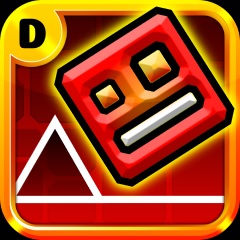
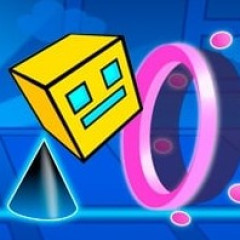
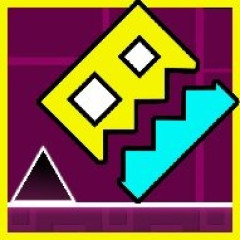
At first glance, the game looks straightforward. A small geometric character moves automatically across the screen while you tap to jump over spikes and avoid obstacles. It sounds easy enough. Then the music speeds up, the hazards become more complex, and suddenly you're restarting the same level for the tenth time because you missed a jump by a fraction of a second.
That combination of simplicity and difficulty is what makes Geometry Dash Meltdown memorable. It doesn't rely on a complicated story, dozens of characters, or endless menus. Instead, it focuses entirely on gameplay, asking one question: how far can your skill take you?
Why Millions of Players Enjoy It
Most players have a similar first experience with Geometry Dash Meltdown. They launch the game expecting a quick distraction, only to discover that every failed attempt makes them want another try.
Part of that appeal comes from how fair the challenge feels. When you crash into a spike, there's rarely any confusion about what happened. The game doesn't hide behind random mechanics or luck.
Success depends almost entirely on timing, concentration, and practice.
Another reason players stay engaged is the feeling of improvement. The level that seemed impossible twenty minutes ago gradually becomes manageable. Obstacles that once felt overwhelming start to look familiar. Without realizing it, you're becoming better at the game.
What This Guide Covers
This guide explores everything that makes Geometry Dash Meltdown special. We'll look at its connection to the larger Geometry Dash franchise, examine its gameplay mechanics, break down each level, and discuss why the game continues to attract players years after release.
We'll also explore Geometry Dash Meltdown 3D and other games that offer a similar blend of rhythm, speed, and precision.
Geometry Dash
The Origins of Geometry Dash
Before Geometry Dash Meltdown introduced players to its fiery world of obstacles and electronic music, the original Geometry Dash had already become one of the most recognizable rhythm-platform games on mobile devices.
The concept was surprisingly simple. Instead of managing complex controls, players only needed to focus on timing. A single tap could determine success or failure. What made the game stand out was how that simplicity created genuine tension.
The original release quickly built a dedicated community. Players weren't just completing levels—they were studying them, memorizing patterns, and competing to improve their performance. It became the kind of game that inspired the phrase, "Just one more attempt."
What Makes Geometry Dash So Popular?
Many games become difficult by overwhelming players with mechanics. Geometry Dash takes the opposite approach.
The controls remain simple from beginning to end, but the level design constantly evolves. New obstacles appear. Movement speeds change. Gravity shifts unexpectedly. Players are challenged not because the controls become harder, but because the situations become more demanding.
The game also benefits from a perfect restart system. Failure takes only a second. You're immediately back at the beginning, ready to try again. That instant reset keeps frustration from building and encourages experimentation.
Perhaps most importantly, Geometry Dash creates moments of genuine satisfaction. Completing a difficult section after repeated failures feels rewarding because improvement comes from skill rather than upgrades or shortcuts.
Different Versions of Geometry Dash
As the franchise grew, several versions expanded the experience in different ways.
- Geometry Dash Lite introduces players to the core gameplay.
- Geometry Dash World offers additional levels and features.
Geometry Dash SubZero focuses on futuristic themes and music.
Geometry Dash Meltdown delivers a concentrated experience built around intense visuals and energetic soundtracks.
Each version feels familiar while offering its own personality.
How Geometry Dash Meltdown Fits Into the Series
Geometry Dash Meltdown occupies an interesting place within the franchise. It isn't the largest entry, nor does it contain the most content. Instead, it focuses on quality over quantity.
Every level feels carefully designed. The music, visuals, and obstacle layouts work together to create a distinct atmosphere that separates Meltdown from other versions.
For newcomers, it's an accessible introduction to the series. For veterans, it's a compact challenge that remains enjoyable even after countless playthroughs.
What Is Geometry Dash Meltdown?
The Story Behind Geometry Dash Meltdown
Geometry Dash Meltdown was designed to deliver the excitement of the main series in a smaller package. Rather than filling the game with dozens of stages, the developers concentrated on creating a handful of memorable levels that players would want to revisit again and again.
The game's visual identity immediately stands out. Bright neon colors, glowing effects, and fiery themes dominate the experience. Everything feels energetic, from the backgrounds to the soundtrack.
What makes Meltdown special isn't the amount of content it offers but the consistency of its design. Every element serves the same goal: creating an intense, fast-paced experience that rewards precision and persistence.
Core Gameplay Mechanics
The controls couldn't be easier to understand.
Tap to jump.
That's the entire foundation of the game.
Yet anyone who has spent more than a few minutes with Geometry Dash Meltdown knows how deceptive that simplicity can be.
As the levels progress, players encounter increasingly complex situations. Gravity portals flip the world upside down. Flying sections require careful control. Speed boosts transform comfortable sequences into frantic tests of reaction time.
Eventually, success stops being about quick reflexes alone. Players begin recognizing patterns, anticipating obstacles, and using rhythm to guide their actions.
A funny thing happens after enough practice. You stop consciously thinking about every jump. Instead, the level starts feeling like a song you've heard dozens of times. You know what's coming next before you actually see it.
Why Players Love Geometry Dash Meltdown
The best challenge games create a strong connection between effort and reward. Geometry Dash Meltdown understands this perfectly.
Every failure teaches something useful. Maybe a jump needs to happen earlier. Maybe a gravity portal changes the timing of the next obstacle. Maybe a section simply requires more confidence.
The game rarely feels unfair because progress is always tied to improvement.
Many players have experienced the same scenario. They spend twenty attempts failing at a difficult sequence, walk away frustrated, then return later and clear it almost immediately. What once felt impossible suddenly feels manageable.
Those moments create a powerful sense of accomplishment. The game doesn't hand out victories. Players earn them.
Key Features That Make Geometry Dash Meltdown Unique
Rhythm-Based Gameplay
Music isn't just background noise in Geometry Dash Meltdown. It's part of the gameplay itself.
The soundtrack and level design work together in a way that few games achieve. Obstacles often appear in sync with the music, creating a rhythm that experienced players learn to trust.
After enough attempts, many players stop counting jumps and start listening instead.
The beat becomes a guide. Certain sounds signal upcoming hazards. Musical transitions often correspond to gameplay changes. The entire experience feels synchronized.
This connection between sound and action transforms each level into something more than a traditional platforming challenge.
Stunning Visual Effects
The first thing many players notice is the game's visual style.
Bright colors flash across the screen. Neon lights illuminate obstacles. Backgrounds shift and evolve as the level progresses.
Despite all this visual energy, the game rarely becomes difficult to read. Obstacles remain clear and recognizable even during the most intense moments.
That balance is surprisingly important. Some games prioritize spectacle at the expense of gameplay clarity. Geometry Dash Meltdown manages to deliver both.
The result is an experience that feels exciting without becoming overwhelming.
Obstacles and Game Modes
Variety plays a major role in keeping the game interesting.
Players encounter spikes, moving hazards, narrow pathways, gravity portals, and high-speed transitions. Just when a section starts feeling comfortable, the game introduces something new.
Flying sequences are particularly memorable. Unlike traditional jumping sections, these segments require continuous control and precise adjustments.
The transition between gameplay styles forces players to stay focused. Memorizing a level helps, but attention remains essential.
That's one reason the game stays engaging long after players learn the basic mechanics.
Progressive Challenge
Geometry Dash Meltdown understands the importance of pacing.
The game doesn't throw its hardest obstacles at players immediately. Instead, it gradually introduces new mechanics and increases complexity over time.
Early sections teach important lessons. Later sections test whether those lessons have been learned.
As a result, improvement feels natural. Players aren't simply surviving harder levels—they're applying skills developed through previous challenges.
This progression creates a satisfying sense of growth that keeps players motivated.
Exploring Every Level in Geometry Dash Meltdown
The Seven Seas
Every journey in Geometry Dash Meltdown begins with The Seven Seas.
Compared to later levels, it feels welcoming. The obstacles are manageable, the pace is reasonable, and the overall design gives players room to learn.
That doesn't mean it's effortless.
Many first-time players still find themselves restarting repeatedly while adjusting to the game's rhythm. Timing remains important, and careless mistakes are punished quickly.
The soundtrack deserves special recognition. Its upbeat energy perfectly complements the level's colorful visuals, creating an introduction that feels exciting rather than intimidating.
By the time players reach the finish line, they've already learned many of the skills needed for the challenges ahead.
Viking Arena
Viking Arena represents a noticeable step up in difficulty.
The level feels faster from the start. Obstacles appear closer together, leaving less room for hesitation. Sequences that seemed comfortable in The Seven Seas suddenly require much greater precision.
This is often the point where players realize Geometry Dash Meltdown isn't simply testing reactions. It's testing consistency.
One successful jump isn't enough. Every jump matters.
The soundtrack reinforces the intensity beautifully. The music pushes forward with relentless energy, creating a sense of momentum that perfectly matches the gameplay.
For many players, Viking Arena becomes their first major obstacle.
Airborne Robots
If Geometry Dash Meltdown has a final exam, it's Airborne Robots.
Everything becomes more demanding. Flying sections require greater control. Speed changes happen more frequently. Obstacles arrive faster and leave less margin for error.
The level has earned a reputation for frustrating players—and deservedly so.
Many runs end just moments before the finish line. Few gaming experiences are as painful as surviving a difficult level for over a minute only to fail near the end.
Yet that's exactly why completing Airborne Robots feels so rewarding.
Victory doesn't happen by accident. Players reach the finish line because they've learned the patterns, mastered the mechanics, and maintained focus under pressure.
Comparing All Three Levels
Together, the three levels create a surprisingly effective progression.
The Seven Seas teaches the fundamentals.
Viking Arena increases the pressure.
Airborne Robots demands mastery.
Although the game contains only a small number of levels, each one serves a clear purpose. The result feels less like three separate stages and more like a complete journey from beginner to experienced player.
Geometry Dash Meltdown 3D
What Is Geometry Dash Meltdown 3D?
Geometry Dash Meltdown 3D is a term often associated with fan-made adaptations and browser experiences inspired by the original game.
These projects attempt to recreate the challenge of Geometry Dash while introducing three-dimensional environments and visual depth.
The core idea remains familiar. Players avoid obstacles, react quickly, and rely on precise timing. However, the additional perspective creates a different visual experience that can feel fresh even to longtime fans.
Geometry Dash Meltdown vs Geometry Dash Meltdown 3D
The original Geometry Dash Meltdown prioritizes clarity.
Players always know where obstacles are located and can react accordingly.
Three-dimensional adaptations introduce a new layer of immersion. Obstacles appear within deeper environments, and movement can feel more dynamic.
Some players prefer the traditional approach because of its precision. Others enjoy the visual novelty of 3D interpretations.
Neither experience replaces the other. They simply offer different ways to enjoy the same core concept.
Other Games Geometry Dash Fans Should Try
Players who enjoy Geometry Dash Meltdown often appreciate other skill-based games that emphasize timing and precision.
Popular alternatives include:
- Geometry Dash World
- Geometry Dash SubZero
- Geometry Dash Lite
- Rhythm platformers with music-driven gameplay
- Endless runners focused on reaction speed
- Arcade games built around mastery and repetition
These games share the same rewarding cycle of failure, learning, and eventual success.
Which Version Is Best for You?
For most newcomers, Geometry Dash Meltdown remains the best place to start.
Its focused structure, memorable levels, and balanced difficulty make it approachable without sacrificing challenge.
Players who enjoy experimenting with different visual styles may find Geometry Dash Meltdown 3D interesting as well.
Ultimately, the best version is the one that keeps you saying the same thing every Geometry Dash player eventually says: "One more attempt."
Conclusion
Key Highlights of Geometry Dash Meltdown
Geometry Dash Meltdown proves that a game doesn't need hundreds of levels or complicated mechanics to leave a lasting impression. Through precise gameplay, memorable music, and carefully designed challenges, it creates an experience that feels rewarding every time players improve.
Why It Remains Popular Today
Years after release, the game continues attracting new players because its core formula still works. The challenge is fair, improvement is measurable, and every success feels earned.
Very few mobile games create such a strong connection between effort and reward.
Final Thoughts and Recommendations
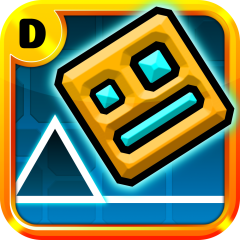
Geometry Dash Meltdown looks simple when you first launch it. A cube jumps. Obstacles appear. The music starts playing.
Then something happens.
You fail. You restart. You get a little farther. You fail again. Before long, you're completely invested in beating a level that seemed impossible an hour earlier.
That's the real reason Geometry Dash Meltdown remains popular. It's not just about jumping over spikes. It's about the satisfaction of overcoming a challenge through practice, patience, and persistence.
And once you've experienced that feeling, it's surprisingly difficult to stop chasing it.